
What does making professional videos really mean for businesses? Drone footage often offers a fresh perspective on events, places, and properties. It helps businesses stand out and grow.
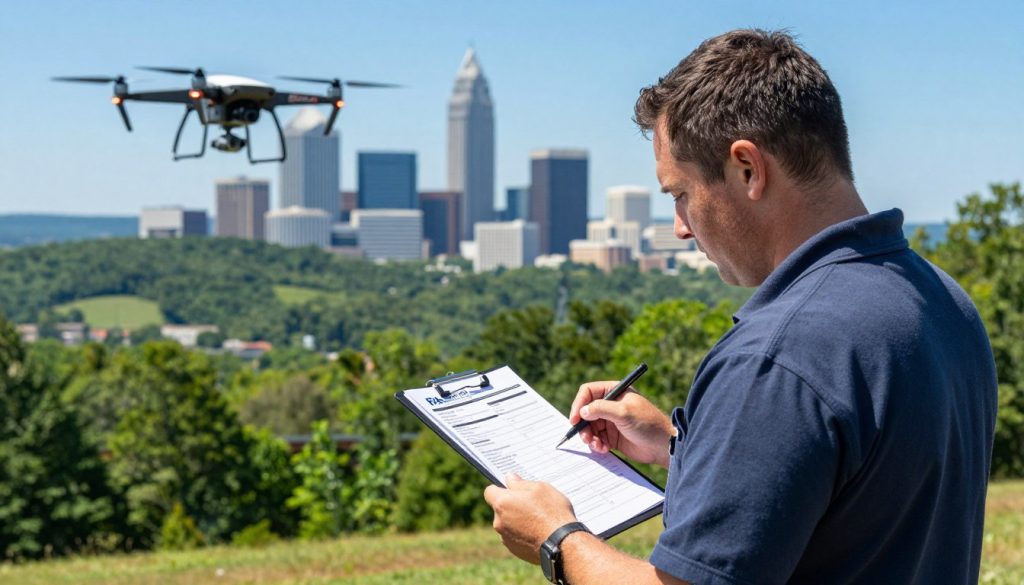
In Charlotte NC, business owners must follow FAA rules for drone videos. They need to meet Part 107 guidelines from the Federal Aviation Administration. This includes getting a Remote Pilot Certificate and registering drones that meet certain criteria.
North Carolina also has its own rules about where drones can take off and land. These rules help keep everyone safe and protect community interests.
Key Takeaways
- Drone videography brings dynamic visuals to professional projects.
- FAA Part 107 guidelines govern commercial drone flights.
- North Carolina enforces extra regulations on drone launch and recovery zones.
- A Remote Pilot Certificate is required for legal commercial use.
- Compliance builds trust and protects operators from liability.
- Projects that follow regulations meet local and federal standards.
Following all rules is key to making impactful videos. We suggest checking out more resources on our website. They offer insights into drone videography and industry best practices.
Understanding FAA Regulations for Drones
The Federal Aviation Administration (FAA) is key in making sure flights are safe. It oversees the National Airspace System and makes rules for all air activities. This is important for business leaders who want to use drones for aerial footage, like those in North Carolina.
What is the FAA?
The FAA is in charge of all things aviation. It deals with certification, air traffic control, and licenses. Commercial drone pilots need to follow its rules to fly legally and avoid fines.
Role of the FAA in Drone Operations
The FAA has rules for drones under 55 pounds. Pilots must pass a test and follow altitude limits. These steps help keep everyone safe by making sure pilots are well-trained and fly responsibly.
Importance of Compliance
Following FAA rules is crucial to avoid safety issues and legal trouble. It means sticking to altitude limits, keeping an eye on the drone, and avoiding no-fly zones. This way, businesses and marketing teams can be sure they’re following both federal and North Carolina drone laws.
| FAA Focus | Description |
|---|---|
| Pilot Certification | Ensures individuals pass key knowledge exams |
| Airspace Management | Regulates safe drone flights nationwide |
| Operational Guidelines | Sets boundaries on altitude, weight, and no-fly zones |
Commercial Drone Use in Video Production
Commercial drone video opens new horizons for impactful storytelling. Under Part 107, operators can capture scenes that were once too costly or complex. The flexibility of unmanned aircraft delivers sweeping shots, giving viewers engaging perspectives. It often reduces production expenses and boosts overall creativity.
North Carolina’s business landscape thrives on aerial innovation. The growing demand for these services shows how companies benefit from dynamic footage that aligns with FAA drone regulations in North Carolina. This approach protects public safety while empowering brands with riveting visuals that stand apart in today’s marketplace.
Benefits of Using Drones for Video
Elevated angles transform ordinary coverage into striking content that resonates with wide audiences. Filmmakers and marketers tap into drone footage for:
- Rapid turnaround and lower operational costs
- Flexible camera movement for unique vantage points
- Greater audience engagement through immersive views
Industries Utilizing Drone Footage
Real estate agencies display entire neighborhoods, while construction sites track progress from above. Event planners rely on aerial clips for immersive recaps. Tourism boards and city officials abide by FAA drone regulations in North Carolina to showcase local landmarks with precision and style.
Key FAA Rules for Drone Operators
For those wanting to capture aerial footage, following legal rules is key. The Federal Aviation Administration’s Part 107 guidelines are essential. They ensure safe and lawful flights, guiding operators through commercial drone videography regulations.
Remote Pilot Certification Requirements
A Remote Pilot Certificate is a must. To get one, you need to:
- Be at least 16 years old
- Read and speak English
- Pass an Aeronautical Knowledge Test
This shows you can handle flight challenges.
Registering Your Drone
If your drone weighs more than 0.55 pounds, you must register it. You’ll need to give details on the FAA’s online portal. This helps track drones and ensures safety.
Operational Limitations
You can’t fly drones over 400 feet high. You must always see your drone and avoid busy areas. These rules keep everyone safe and follow commercial drone videography regulations.
Specific Rules for Commercial Drone Video in North Carolina
When you film from the sky in this area, you need to know the rules. The state focuses on keeping everyone safe, so some places are off-limits. It’s key to follow the drone rules in North Carolina to stay legal.
These guidelines change often, so it’s important to keep up with the latest. Cities have their own rules for parks and public areas. For example, Charlotte NC has special rules for flying drones near big events.
North Carolina State Regulations
State laws used to need special permits for commercial drone use. But, that’s changing soon. Still, you must avoid flying in no-fly zones, like near jails and busy roads.
Local Ordinances in Charlotte NC
Big cities like Charlotte have their own drone rules. They focus on keeping people safe, respecting property lines, and flying at safe heights during big events.
Temporary Flight Restrictions
Drone flights might be stopped during special events or when important people visit. Knowing about these restrictions helps avoid fines. Planning your flight path ahead of time keeps your project on track.
| Restricted Area | Reason | Permit Required |
|---|---|---|
| State Parks | Environmental Protection | Yes |
| Correctional Facilities | Public Security | No |
| Charlotte Public Parks | Local Ordinances | Varies |
Safety Considerations for Drone Operations
Safe flights start with good preparation and knowing local rules. Federal guidelines say to check drones often to keep them safe. Drone rules in North Carolina follow these, keeping everyone and things safe.
Pre-Flight Checklist
Pilots check important things before flying. This includes:
- Checking battery levels
- Calibrating navigation systems
- Securing camera attachments
Maintaining Line of Sight
Seeing the drone helps pilots react fast to surprises or weather changes. This rule helps follow federal and North Carolina drone rules. It helps avoid crashes or unexpected airspace issues.
Avoiding Crowded Areas
Operators are careful to avoid big crowds like sports events or festivals. This shows respect for privacy and keeps community spaces peaceful.
Insurance and Liability for Drone Services
Drone operators protect their businesses with special insurance. This is key for those flying in crowded areas and following drone laws in North Carolina. They often seek general liability policies to cover damage or injuries.

Having the right insurance gives peace of mind. It shows you’re professional and trustworthy. It also means you’re committed to safe flying.
Types of Insurance Required
General liability is a common choice, covering accidents that might harm others. Some drone operators add special drone endorsements for equipment damage. Personal injury protection is also popular to cover medical costs, protecting against big financial losses.
Importance of Liability Coverage
Good liability coverage helps protect against unexpected costs. It’s important for drone flying in busy places or sensitive areas. It helps defend against lawsuits and keeps your reputation strong in a competitive market.
Impact of Weather on Drone Operations
Wild gusts and sudden downpours can disrupt flight paths in ways that jeopardize equipment. Flight safety and video clarity depend on stable conditions, which are crucial when following FAA drone laws in North Carolina. Operators must stay alert to atmospheric changes, as unexpected storms or thick fog can reduce visibility and drain batteries faster.
Weather Conditions to Avoid
Moisture seeps into sensitive parts, so heavy rain poses a hazard. High winds destabilize the drone, causing erratic footage. Fog disrupts navigation, and sub-zero temperatures compromise battery life, which can lead to sudden power loss. These factors lessen flight control and put costly gear in harm’s way.
Planning for Weather Challenges
Checking local forecasts helps operators adapt schedules and pick safer time slots. Early inspections ensure drones are ready for temperature swings or light drizzle. A detailed backup plan, including alternative shoot days and thorough research on weather patterns, safeguards both the project’s goals and overall operation. This careful approach supports efficient filming while honoring strict regulations in North Carolina.
Best Practices for Professional Drone Video Production
Quality footage starts with solid groundwork and creative ideas. Aerial projects need careful planning for safe flying areas, permits, and smooth operations. Every step, from planning to editing, makes a polished final product for commercial drone work in North Carolina.
Pre-Production Planning
Teams start by gathering key details before flying. They check local rules and get the right permits. Advanced preparation makes filming smooth.
- Check local flight regulations
- Secure permits and confirm shoot schedules
- Map out potential hazards
Incorporating Storyboards
Good visuals guide drone shots and ensure smooth transitions. Storyboards show angles, movements, and camera flow. They help each shot fit the project’s goals.
Post-Production Techniques
Editing tools like Adobe Premiere Pro or DaVinci Resolve improve aerial footage. Color correction, motion stabilization, and audio syncing make raw footage stunning. These steps highlight the project’s themes.
| Production Stage | Key Tasks |
|---|---|
| Pre-Production | Scouting locations, verifying permits, finalizing schedules |
| Storyboarding | Defining shot sequence, visual flow, focal points |
| Post-Production | Applying color grading, transitions, and audio syncing |
Finding a Professional Drone Video Service
Choosing a company that knows drone rules in North Carolina is crucial. Every business needs safe and legal footage. Look for Part 107 certification, valid insurance, and local knowledge to feel secure.
What to Look for in a Service Provider
Find providers who understand and follow the rules. They should have insurance and be able to work in different places. Talk to them about your project to see how they handle customer service.
Evaluating Experience and Portfolio
Check their past work and ask for references. This shows their skill and attention to detail. For more tips, visit our Video Production Services page. It helps you find a drone expert who knows the rules in North Carolina.
Training and Certifications for Drone Operators
Improving your skills makes flying safer and your videos better. Many people take courses on airspace rules, weather, and how to keep drones in good shape.
Importance of Training Programs
Learning from experts boosts your confidence in flying drones. They teach you how to handle problems, read flight paths, and plan missions well. This training helps you do better in commercial projects.
“Comprehensive education promotes efficiency and steady progress in modern aerial endeavors.” – Abby Speicher, Co-Founder of DARTdrones
Recommended Certification Courses
Many people get the FAA Part 107 exam through special programs. Drone U and Embry-Riddle Aeronautical University offer sessions, simulations, and coaching. These help you get ready for real-world flying.
Investing in these courses helps you understand the best ways to fly and make quality videos. This knowledge is useful for making hiring decisions or for in-house drone projects.
Future Trends in Commercial Drone Video
New technology is opening up exciting possibilities for commercial drone video. In North Carolina and the U.S., we’re seeing safer, more efficient flight systems and clearer FAA Rules. Brands like DJI and Skydio are now offering cameras with 8K resolution and smart obstacle avoidance.
This means better aerial footage for real estate, events, and construction. It’s a game-changer.
Technological Advancements
Drone technology is getting smarter, thanks to AI. Now, drones can fly on their own and process data faster. With better batteries, they can fly longer and capture clearer images.
This tech also opens up new ways to manage crowds and analyze data in real-time. It’s taking video production to new heights.
As drone rules change, businesses that keep up can explore new opportunities. We’re excited to help you use these advanced flight trends for your next project. Let’s create amazing aerial stories together.
FAQ
Why is obtaining a Remote Pilot Certificate necessary for commercial drone videography?
To fly drones for business, you need a Remote Pilot Certificate. This shows you know the rules of the sky. It keeps your business safe from legal trouble.
Which FAA drone regulations in North Carolina must businesses follow when filming?
Businesses must follow Part 107 rules in North Carolina. This means flying in sight, not too high, and avoiding no-fly zones. They also need to follow local rules, like getting permits for parks.
What are some key drone flight regulations in North Carolina that differ from federal rules?
North Carolina used to need a state permit for drones, but that’s changing. Some places have their own rules, like no drones in parks. Always check local laws.
How do FAA drone laws for video production in North Carolina affect industries like real estate and construction?
These laws set limits on where and how high you can fly. They help businesses use drone videos safely. This way, they can avoid fines and legal problems.
What kind of insurance do commercial drone operators generally need?
Drone insurance is not always required but is highly suggested. It covers damage or injuries during flights. It shows you’re professional and protects your business.
Are there weather conditions to avoid while flying a drone for video shoots?
Yes, avoid flying in strong winds, heavy rain, or cold. Check the weather forecast and have a backup plan. This keeps your flights safe and legal.
How can businesses ensure quality drone footage for marketing projects?
Plan well by scouting locations and getting permissions. Use storyboards for your shots. In editing, use color and transitions to improve the video. Following FAA rules ensures your video is legal and professional.
What should decision-makers look for when hiring a drone videography service?
Check if they have Part 107 certification and insurance. Look at their past work to see their style and quality. Knowing drone laws in North Carolina shows they’re experienced and compliant.
Why is formal UAV training recommended for experienced photographers?
Training teaches you about airspace and emergencies. It prepares you for advanced drone use in North Carolina. This improves safety and the quality of your videos.
What new drone technologies are shaping the future of aerial videography?
New tech like AI, autonomous flight, and high-resolution cameras are changing drone video. These advancements make production easier. Updates to drone laws ensure safe and responsible use of these technologies.